Good information supports better decisions for children and young people. When national evidence is brought together with local knowledge and the experiences of young people, we can better understand what is happening, where action is needed and how we can work together to create change.
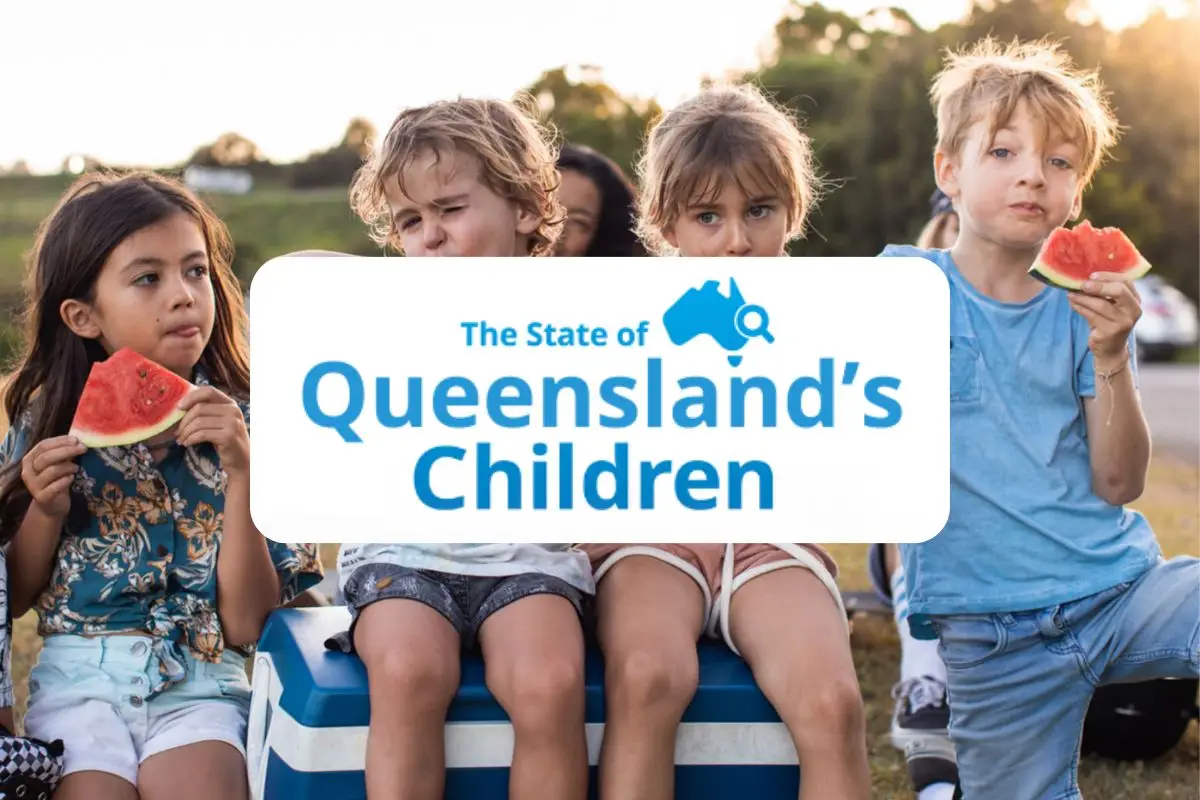
On Wednesday 11 March 2026, more than 300 people joined youth representatives and sector leaders from UNICEF Australia, ARACY, Queensland Kids Partnership, Minderoo Foundation, YETI and the Australian Child and Youth Wellbeing Atlas to explore what the newly released State of Australia’s Children report means for Queensland.
The webinar highlighted areas where Queensland children and young people are doing well, including reported happiness, youth employment, reading levels and body image. It also identified areas needing greater attention, including bullying, youth detention, child nutrition, school readiness and psychological distress.
The Australian Child and Youth Wellbeing Atlas was showcased as a practical tool for using community-level data to strengthen local decision-making. Participants explored how to access the Atlas from the report and use indicators such as developmental vulnerability.
Putting data into action
Youth Empowered Towards Independence (YETI) shared how it uses the Atlas alongside its Development Framework to inform the Kowanyama Youth Strategy. The Atlas provides reliable, comparable local data to support planning, identify service gaps, strengthen advocacy and ensure young people’s needs and aspirations are reflected in decisions.
Minderoo Foundation then outlined priorities for turning evidence into action, including stronger early intervention investment, better national coordination, meaningful involvement of children and young people in decision-making, increased mental health and wellbeing support in education settings, and stronger national accountability for children.
Throughout the webinar, national evidence was grounded in the lived experience and insights of young people. Together, the speakers highlighted the value of bringing data, local knowledge and young people’s voices together to inform better decisions and stronger action for children and young people.
Watch the recording of the webinar here.
Link to the State of Australia’s Children report here.
Link to the Australian Child and Youth Wellbeing Atlas here.